
Items: 0
No hay productos en el carrito.
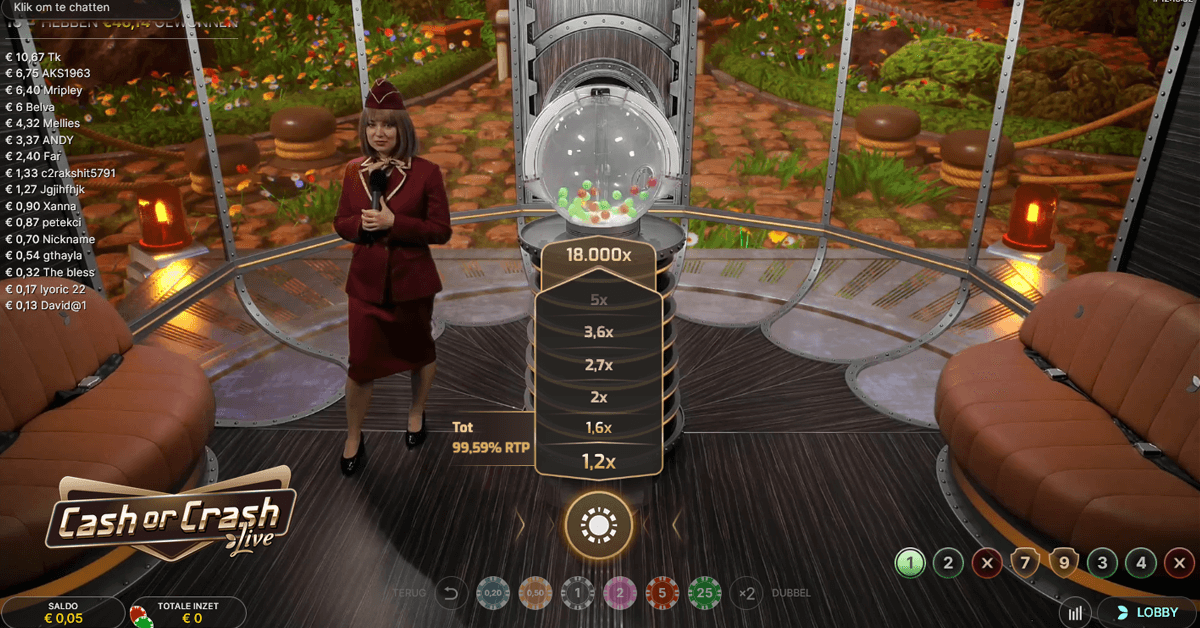
UK players who want to understand the rapid, unpredictable action of Cash or Crash Live often realize that a touch of structured learning makes a difference https://cashorcrashcasino.com/. Training modules for this live game show don’t involve giving you a magic formula for winning—no honest guide would at any point do that. Instead, they’re about giving you a solid grasp of how the game operates and how to tackle it. The notion is to shift from just viewing the rocket fly to participating with a sense of intent. You absorb the rules, understand the risks, and determine how to make choices that fit your preferences, all while maintaining the basics of safe play at the forefront. This article explores what effective training for Cash or Crash Live should include, specifically for players in the UK.
Reading about strategy is one thing. Putting it into practice is another, and the best place to start is with free demo modes. Many UK casinos that offer Cash or Crash Live provide a ‘play for fun’ option using fake credits. Any useful training will tell you to camp out in this mode for a while. It’s your risk-free lab. You can experiment with different cash-out tactics, become familiar with managing a virtual bankroll, and grasp the game’s tempo without spending a penny. You’re welcome to mess up and learn from it. A good guide will point you to these demos and give you specific drills. It might ask you to play a session using a strict 2% bet rule, or to try out a three-stage partial cash-out plan over twenty demo rounds.
If you only pay attention to one part of training, make it bankroll management. This is the foundation of participating in any volatile game sensibly, and Cash or Crash Live definitely meets that description. No ingenious method will shield you from bad money habits. A thorough module on this topic covers establishing a firm loss limit before you log in, setting a allocation for your session, and adjusting your bets suitably. The golden rule is to hold bets modest enough that a streak of bad luck won’t destroy your funds or push you into trying to win it all back. Many players employ the percentage method, where you never risk more than a minor fraction of your session fund on a single round. This approach acknowledges the game’s natural variance and enables you to come back another time, regarding it as a funded pastime rather than a monetary risk.
You can’t run before you can walk. Understanding the fundamental workings of Cash or Crash Live is the crucial first step. A game host runs the game, where a rocket ship rises through a range of multipliers. You place your bet before it launches. As it flies, you encounter a choice: click ‘cash out’ to lock in the current multiplier, or let it ride for a bigger potential payoff. The catch is that a crash point is randomly set at the start of each round. If the rocket explodes before you cash out, you give up your bet. Good training material will break down the screen layout, describe the random number generator behind the crash, and outline what the host actually does. One key takeaway is that the crash multiplier is predetermined as soon as the round kicks off. This fact alone resolves a lot of misunderstanding about attempting to predict the game in real time.

The presenter is there to entertain, sure, but they also guide the game. Training helps you identify their cues and follow the rhythm of a round. Every element on the display gives you information: the climbing multiplier, the cash-out button, the list of past rounds. A large part of learning the game is getting so familiar with this layout that you don’t have to think about it. When you’re at ease with the environment, you can focus your brainpower on the key decision of when to cash out, instead of searching for buttons while the rocket zooms upward.
All in Cash or Crash Live results in that one moment: cash out or let it ride. Practice transforms this from a pure guess into a informed choice. You start to weigh risk against reward at different multiplier levels. Cashing out at a low multiplier like 1.2x is very likely to succeed, but the payout is small. Holding out for 5.0x provides a much bigger prize, but the chance of crashing before you get there is far higher. Players understand ‘expected value’ over many rounds, while also acknowledging that each launch is its own isolated event. Training often suggests setting up a personal ‘cash-out ladder’. This means deciding in advance to pull out parts of your bet at different multiplier targets. It’s a way to bank some profit early while still having a stake in the game for a later, bigger score.
Real training for this game is built on responsible wagering foundations. This isn’t a minor point. It’s the core. A solid module details the useful tools every UK player has access to, like deposit limits, time-out options, and the GAMSTOP self-exclusion scheme. It argues that playing responsibly is truly a competitive edge. A calm head that isn’t worried about money will lead to sharper decisions. The training should highlight that gambling is a type of entertainment you finance, not a cash source. It also needs to cover the warning signs of trouble: trying to win back losses, being secretive about time or money spent, or playing when you’re upset. Recognising these red flags is a key skill for taking care of yourself, which is the only way to enjoy the game for the long haul.
UK players after proper guidance have got a few options. Credible casino review sites and independent strategy blogs often release detailed guides and video walkthroughs for Cash or Crash Live. The official game maker, Evolution, offers clear rules and demos too. But you need to choose your sources carefully. Stay away from anything that claims ‘guaranteed wins’ or a ‘secret system’. That’s a sure sign of bad advice. The most reliable resources focus on education, probability, and bankroll management. You can also learn from other players by reading community forums dedicated to live casino games. Just be sure to take any anecdotal tips lightly, and always view them through the lens of safe play and the reality of random chance.
Each spin is separate, but participants can still look for overall patterns to aid in forming their decisions. It’s not prophecy. It focuses on monitoring the game’s rhythm and regulating your personal responses. For example, post a few spins where the rocket burst at minimal multipliers, many players could opt to take a safer approach, thinking a higher multiplier may be imminent (even though this isn’t a certainty). Deeper training could consider the table psychology. It assists you in recognizing when you are inclined to recover a loss, or when you get a sting of anxiety about missing out as the multiplier soars above your normal cashing threshold. The goal here is to build a disciplined approach that avoids typical psychological pitfalls, which are usually the quickest path to an empty account.